

 Managed IT Services
Personal data protection matters more than ever, and one question we hear often is whether data can actually be removed from the dark web once it’s exposed. The honest answer is complicated, but there’s still a lot you can do about it.
What Is the Dark Web, Exactly?
This part of the internet isn’t crawled by regular search engines and is only accessible through special tools. It offers real privacy, which can be used for good things like protecting journalists and activists, but that same privacy also makes it a popular place to buy and sell stolen personal information.
Can Data Actually Be Removed from the Dark Web?
Realistically, no — not completely. Once data is posted, it gets copied and redistributed among cybercriminals almost immediately, and there’s no central authority to petition for removal like there would be with a regular website. These marketplaces operate outside legal frameworks, and stolen data is often resold multiple times, creating copies that are effectively impossible to track down and erase.
That doesn’t mean you’re powerless. It just means the goal shifts from removal to damage control and prevention.
Dark Web Prevention: Data Broker Sites
Separate from that world entirely, legitimate data broker sites compile and sell your personal information legally, and this part actually can be addressed. You can request removal from these sites individually, or use a service like Optery or Privacy Bee to automate opt-out requests across hundreds of data broker sites at once.
Security Practices That Limit Dark Web Exposure
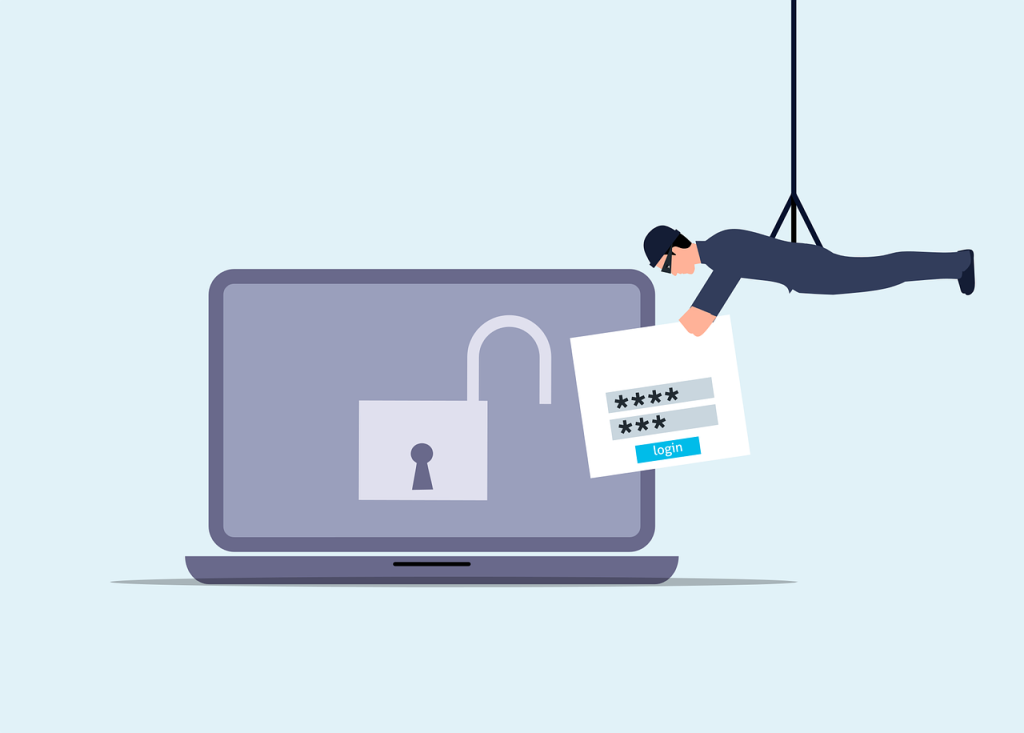
Strong, unique passwords for every account and two-factor authentication are still the two biggest levers you have. A password manager makes both painless — see our guide on how password managers protect your accounts for where to start.
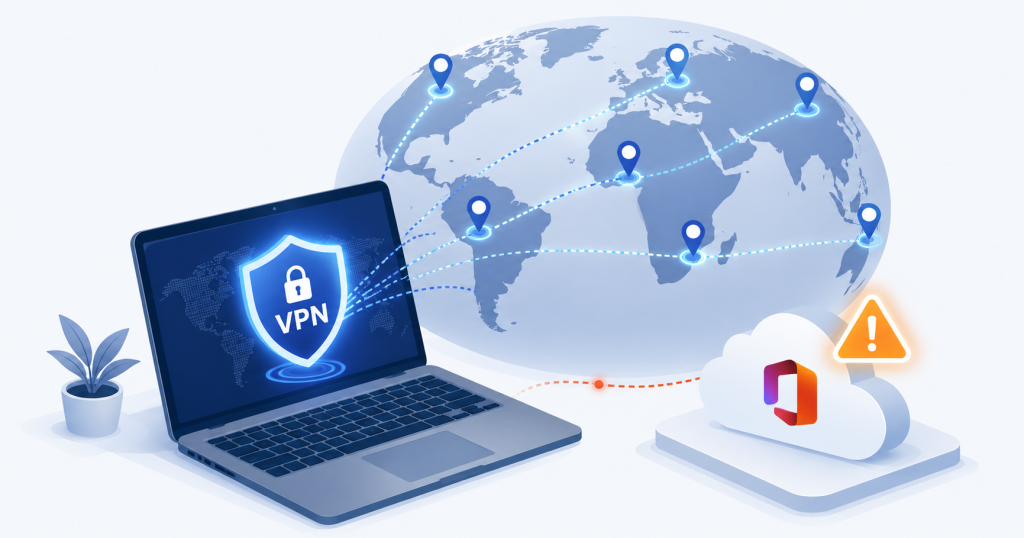
A VPN can also help mask your IP address and protect your browsing activity from casual tracking, though it won’t stop data that’s already been breached elsewhere. Beyond that, be cautious with email attachments and downloads, avoid public Wi-Fi for anything sensitive, and keep your software patched.
What to Do If Your Information Shows Up on the Dark Web
Immediate Actions to Take
- Change passwords immediately for any account tied to the exposed information
- Enable two-factor authentication everywhere it’s offered, especially email and financial accounts
- Place a fraud alert or credit freeze with the major credit bureaus if financial data was involved
- Monitor your accounts closely for unfamiliar activity in the weeks that follow
Long-Term Strategies
For anything tied to your business logins, it’s worth reviewing your broader credential security posture, not just the one exposed account. Our piece on cracking down on credential theft covers what advanced protection actually looks like for business logins.
It’s also worth setting a recurring reminder, once or twice a year, to check whether your information has resurfaced. This kind of exposure isn’t usually a one-time event; the same data can circulate again months or years later.
Why Businesses Should Care About Dark Web Exposure
It’s not just individuals who show up in these listings. Employee credentials, customer records, and vendor logins are all regularly bought and sold this way, often stemming from a breach at a completely different company that happened to reuse the same password.
For a small business, that means monitoring for exposed credentials is worth treating as a standing part of your security program, not a one-time check. A credential that surfaces in a breach today could be the same one an employee is still using on your VPN, email, or accounting software next month.
- Ask your IT provider whether breach and credential monitoring is included in your current security stack
- Require unique passwords for every business system, not just email
- Review which former employees or vendors still technically have access after they’ve left
Protect Yourself from Dark Web Exposure Today
Schedule a Free Consultation — Call 973-295-5570
Featured Image Credit: Pexels
Republished with Permission from The Technology Press.