

 Managed IT Services
Here’s a statistic that should make every business owner pause: mobile malware attacks jumped roughly 500% in the first few months of 2022. Our phones have become pocket-sized computers — handling email, banking, and sensitive work data — yet most people still treat them as if they can’t be hacked. At eMDTec, we see this blind spot all the time, and it’s exactly what attackers are counting on.
In fact, over 60% of digital fraud now happens on mobile devices. That makes securing your smartphone just as important as protecting your laptop. The good news? A handful of simple habits can dramatically reduce your risk of mobile malware. Let’s walk through them.
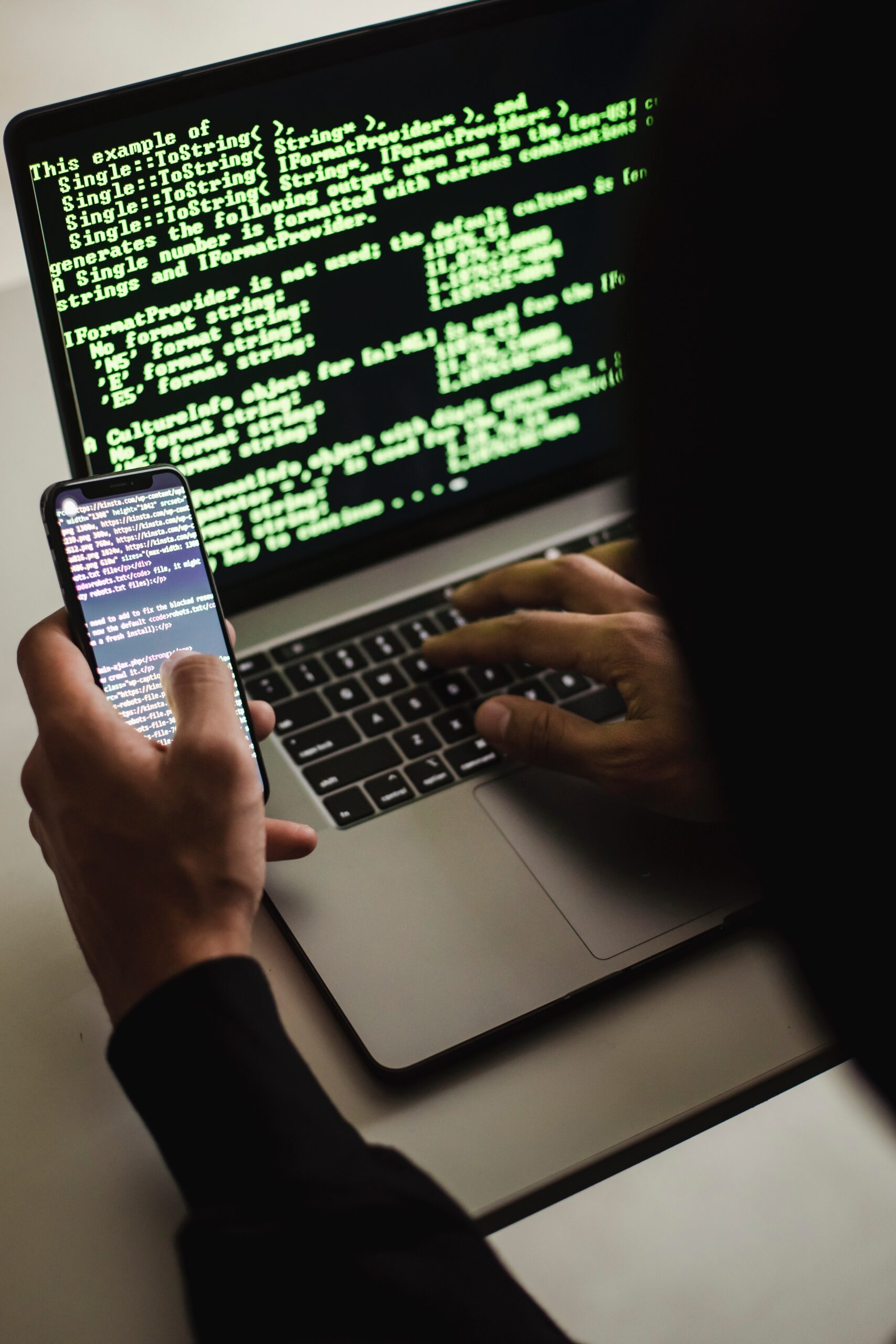
Simple Tips to Protect Your Phone from Mobile Malware
Many of these safeguards mirror the protections you already use on your computer. It’s time to give your phone the same level of care. Here are the steps we recommend to every client.
Install Mobile Anti-Malware
Yes, your phone needs antivirus and anti-malware protection too. Mobile malware absolutely can and does infect smartphones and tablets. Choose a reputable paid solution rather than a random freebie — many free “security” apps are malware in disguise.
Only Download Apps from Trusted Sources
Stick to official app stores and avoid sideloading apps from unknown websites. Trusted stores vet their listings and remove bad actors quickly. Reputable sources include:
- Apple App Store
- Google Play Store
- The Microsoft Store
Before installing, research the developer online to confirm they have a solid reputation. A few minutes of checking can save you from a nasty infection.
Don’t Assume Email Is Safe on Your Phone
Many people check email on their phone and feel a false sense of security doing so. But a phishing email is just as dangerous on a small screen — and it’s harder to preview a link without accidentally tapping it. Be just as cautious with unexpected messages and attachments as you would be on a computer.
Beware of SMS Phishing (“Smishing”)
Smishing is the text-message version of phishing, and it’s exploding — unwanted texts have surged in recent years. These messages usually contain malicious links designed to install mobile malware or steal your credentials. Watch for texts that don’t add up, like a shipping notice for a package you never ordered.
Remove Old Apps You No Longer Use
Roughly 2.6 million apps haven’t been updated in a year or more, and abandoned apps become easy targets. Go through your device and delete anything you don’t use. If an app’s last update was over a year ago, consider replacing it with a maintained alternative.
Keep Your Device Updated
Running the current operating system version patches known vulnerabilities that malware loves to exploit. Automate updates wherever you can. If you manage several company devices, build device updates into your regular IT routine.
Use a VPN on Public Wi-Fi
Public Wi-Fi is convenient but risky, since attackers can intercept unprotected traffic. Connecting through a VPN encrypts your data and sits between your device and the network, letting you browse public hotspots with far less exposure.
Get Mobile Security Solutions That Prevent a Data Breach
Protecting phones and tablets is no longer optional — it’s a core part of your security strategy. eMDTec can help you deploy the right mobile malware defenses across your team, so a single infected device never turns into a full-blown data breach. Let’s build a plan that keeps every device covered.
Not sure whether your team’s phones and tablets are protected? eMDTec helps small and mid-sized businesses secure every device — from smartphones to laptops — with practical, right-sized protection. Let’s close the gaps before mobile malware finds them.