

 Managed IT Services
Cloud account takeover has become a serious threat for businesses of every size. Attackers know your team logs into dozens of cloud apps a day, and they’ve developed clever ways to slip past even multi-factor authentication. At eMDTec, we help small and mid-sized businesses defend against exactly this kind of attack. So what is push-bombing, and how can you stop it before it compromises your accounts?
Between 2019 and 2021, account takeover attacks rose sharply, and push-bombing is one of the sneakiest techniques driving that trend. Let’s break down how it works and, more importantly, how to prevent it.
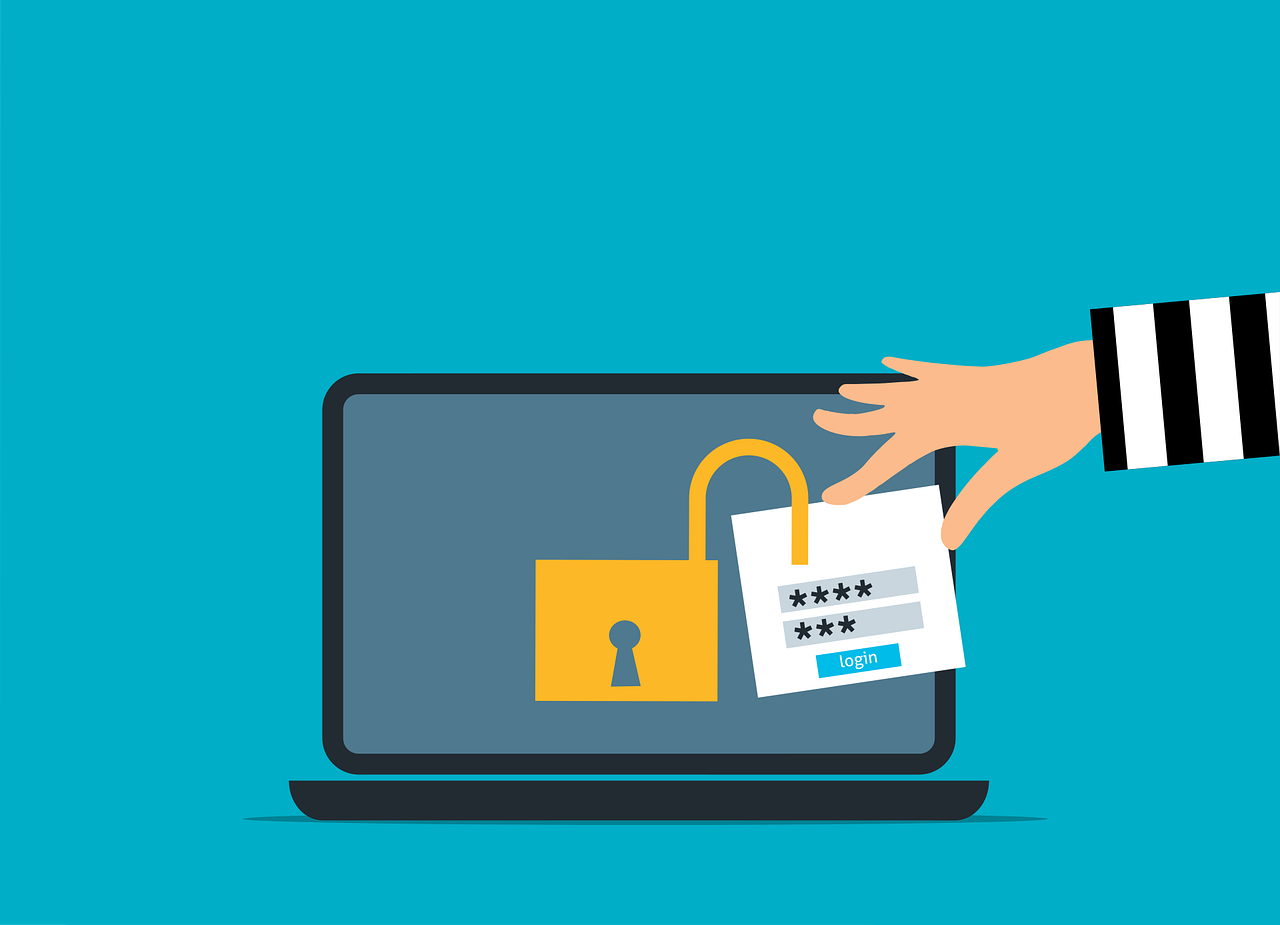
What Is Push-Bombing and Why Is It Dangerous?
To understand what is push-bombing, start with multi-factor authentication. When MFA is enabled, logging in triggers a push notification, an SMS, a device popup, or an app prompt asking you to approve the sign-in. That extra step is normally a strong defense.
Push-bombing exploits it. Once a hacker has your password, they try to log in over and over, flooding you with approval requests. Overwhelmed and confused, some users eventually tap “approve” just to make the notifications stop, handing the attacker full access. It’s a social engineering attack designed to confuse you, wear you down, and trick you into approving.
How Does Push-Bombing Actually Work?
The attacker already has valid login credentials, usually from a data breach or phishing. They enter them repeatedly, and each attempt fires off another MFA prompt to the real user. Getting one unexpected code is easy to dismiss, but receiving dozens in a row is exhausting, and that fatigue is exactly what the attacker is counting on.
5 Ways to Prevent Push-Bombing at Your Organization
The good news is that a few practical steps can shut push-bombing down. Here’s what eMDTec recommends.
1. Educate Your Employees
Knowledge is your first line of defense. Teach your team what a push-bombing attack looks like, why they should never approve an unexpected prompt, and exactly how to report it so your IT team can act fast.
2. Reduce Business App Sprawl
The average employee uses around 36 cloud services a day, which means a lot of logins to attack. Audit your app stack and consolidate where you can, so there are fewer entry points to defend.
3. Adopt Phishing-Resistant MFA
You can eliminate push-bombing entirely by switching to phishing-resistant MFA, such as hardware security keys or passkeys. With these, there’s no push notification to approve, so there’s nothing for an attacker to spam.
4. Enforce Strong Password Policies
Push-bombing only works if the attacker already has a valid password. Strong, unique passwords make that far harder. Require a mix of upper and lower case letters, numbers, and symbols, ban reused or personal-info passwords, and store them in a secure password manager.
5. Use Advanced Identity Management
Modern identity and access management tools can detect suspicious login patterns, block logins from unusual locations, and limit repeated MFA prompts automatically, stopping an attack before your team even notices.
Get Expert Help Answering “What Is Push-Bombing” for Your Team
Defending against push-bombing takes the right mix of technology and training. eMDTec can assess your current MFA setup, roll out phishing-resistant authentication, and train your staff so a flood of prompts never turns into a breach.
For a deeper technical look, the CISA guidance on phishing-resistant MFA is an excellent authoritative resource.
Signs You May Be Under a Push-Bombing Attack
Knowing what is push-bombing is only useful if your team can recognize it in the moment. The clearest warning sign is a sudden burst of MFA prompts you didn’t trigger, especially late at night or outside normal working hours. If you receive approval requests for a login you never attempted, treat it as a live attack.
What to Do Right Away
Never approve a prompt you didn’t initiate. Deny every request, then change the password on that account immediately, since the attacker clearly already has your old one. Finally, alert your IT or security team so they can check for other compromised accounts and watch for follow-up attempts.
Make Prevention an Ongoing Habit
Attackers constantly refine their tactics, so a one-time training session isn’t enough. Run periodic refreshers, simulate attacks, and keep your MFA methods current. eMDTec builds this kind of continuous security awareness into every client relationship so your defenses stay a step ahead.
Worried your accounts could fall to a push-bombing attack? Let eMDTec strengthen your defenses today. Schedule a free consultation, or call us at 973-295-5570.
What Is Push-Bombing Costing Businesses?
Understanding what is push-bombing matters because these attacks are cheap for criminals and costly for you. A successful push-bombing attack can hand over an employee’s account in seconds, opening the door to data theft, wire fraud, and ransomware. Knowing what is push-bombing — and training your team to spot it — is one of the simplest ways to close that gap.
Still wondering what is push-bombing and whether your business is exposed? Our team can review your MFA setup and lock it down fast.