

 Managed IT Services
Email runs your business. You use it for invoices, contracts, approvals, and just about every conversation with customers and vendors. That’s exactly why criminals love it — and why business email compromise has become one of the most expensive threats out there.
Business email compromise (BEC) attacks jumped 81% in a single year, and the vast majority of employees who get targeted end up interacting with the message. The FBI puts the losses in the billions of dollars annually. The scary part? These scams don’t rely on malware you can scan for — they rely on tricking a person.
What makes business email compromise so dangerous is that it targets your people, not your firewalls. A single convincing message to the right employee can trigger a wire transfer that’s nearly impossible to claw back. That’s why the best defense combines smart technology with well-trained staff and a few simple verification habits that anyone on your team can follow.
What Is Business Email Compromise (BEC)?
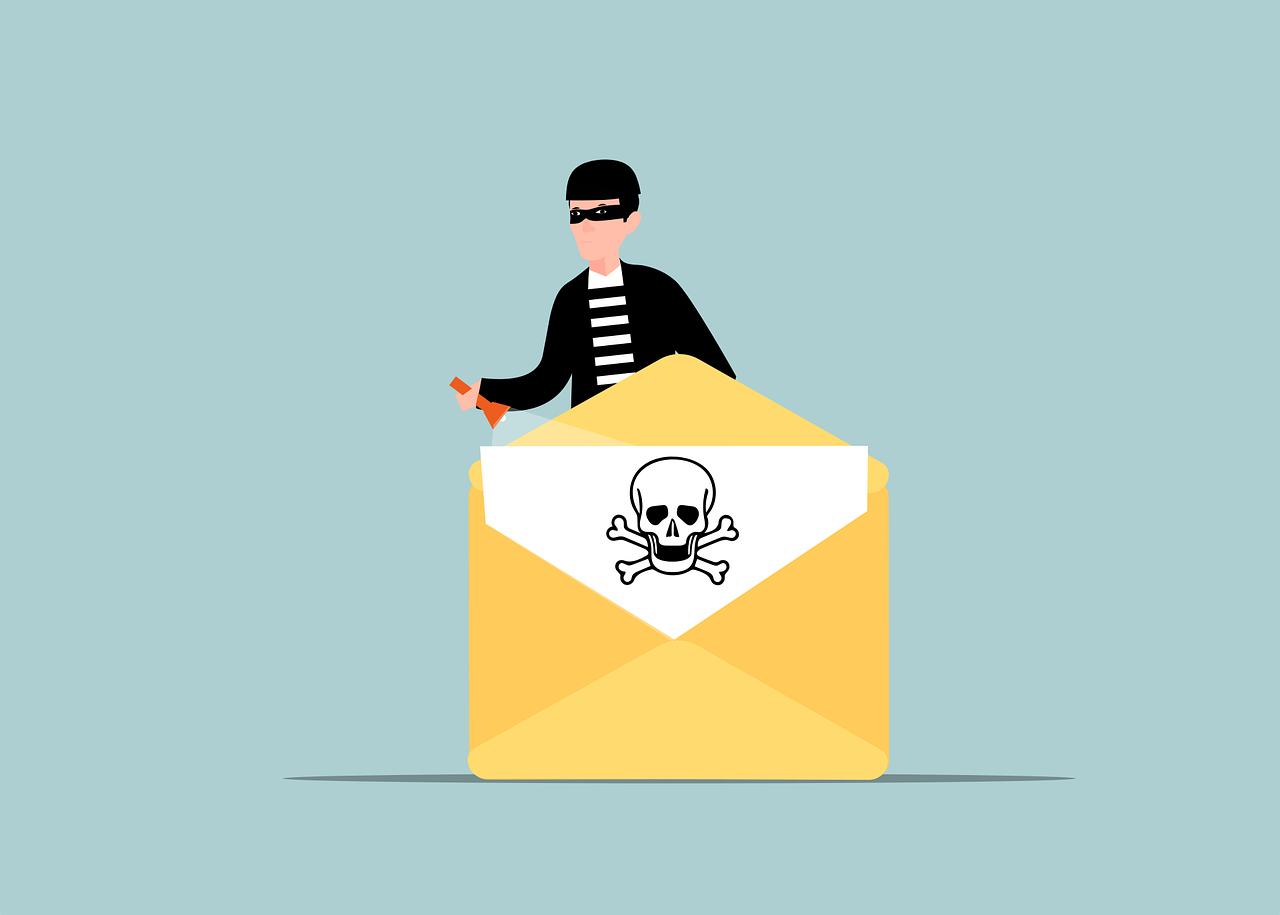
Business email compromise is a scam where a criminal impersonates someone you trust — usually an executive, a vendor, or a business partner — and emails an employee asking them to move money or share sensitive information. Because the request looks like it’s coming from a real, familiar person, employees follow through before anyone stops to question it.
How Does a Business Email Compromise Attack Work?
BEC attacks are carefully crafted. Scammers research your company, watch how people communicate, and then send a message that mimics the tone and timing of a real request — often a “urgent” wire transfer or a change to banking details. There are no obvious red flags like broken links, which is why strong email and network security matters so much.
6 Ways to Fight Business Email Compromise
You can’t stop criminals from trying, but you can make your business a much harder target. Here are six proven defenses against business email compromise.
1. Educate Your Employees
Your team is your first line of defense. Train everyone to slow down on money and data requests, spot lookalike email addresses, and verify anything urgent through a second channel. Ongoing awareness training is the single most effective step against business email compromise.
2. Enable Email Authentication
Turn on SPF, DKIM, and DMARC so spoofed messages get flagged or blocked before they reach an inbox. These protocols verify that an email really came from the domain it claims to — a technical foundation every organization should have in place.
3. Require Payment Verification
Create a simple rule: no new payment or banking-detail change happens on email alone. Confirm it with a phone call to a known number. This one policy stops the most costly business email compromise scams cold.
4. Double-Check Financial Transactions
Build in a second set of eyes for wire transfers and vendor payments above a set amount. When two people have to approve, a single fooled employee can’t hand over funds by mistake.
5. Establish a Response Plan
Know exactly what to do if a fraudulent transfer slips through. Fast action — contacting your bank and the FBI’s IC3 reporting center within hours — dramatically improves your odds of recovering the money.
6. Use Anti-Phishing Software
Layer in tools that scan for impersonation, suspicious links, and unusual sender behavior. Modern anti-phishing filters catch many business email compromise attempts before a human ever sees them. For remote teams, our remote workforce security approach adds extra protection.
Need Help Stopping Business Email Compromise?
You don’t have to figure this out alone. Our team can review your email setup, tighten your defenses, and train your staff so business email compromise doesn’t cost you a dime. Explore our cybersecurity services to see how we help New Jersey businesses stay protected.
Ready to Protect Your Business? Let’s Talk.
Schedule a Free Consultation — Call 973-295-5570. We’ll give you a clear, no-jargon plan to shut down email fraud.